Mae Taeng
Mae Taengแม่แตง
比湄林更靠北 — 农业、生态村落、Elephant Nature Park(2024年十月遭遇严重洪水);与其说是住宅区,不如说是探险旅游地带。

区域速览
1 室租金
฿4,000 – ฿8,000/mo
2 室租金
฿7,000 – ฿14,000/mo
3 室房屋
฿10,000 – ฿25,000/mo
2 室售价
฿1.5M – ฿4.5M
步行便利度
比湄林更靠北 — 农业、生态村落、Elephant Nature Park(2024年十月遭遇严重洪水);与其说是住宅区,不如说是探险旅游地带。
中等:明显优于市区盆地。清迈的烧芭季从二月持续到四月。决定前请先在 IQAir 查看实时 AQI。
Mae Taeng is one of the 25 amphoe of Chiang Mai province, covering roughly 1,370 km² per Wikipedia — one of the largest districts in the province — and stretching from the northern edge of Mae Rim up into the Mae Taeng River valley. Population density is low: ~70,000 residents across the district, overwhelmingly Thai farming and ethnic-minority hill-tribe villages. Expat residential presence is minimal, concentrated in a handful of eco-villages and permaculture farms and a few long-term retiree homesteaders who chose mountain isolation over city convenience. This is not a neighborhood most expats should consider for primary housing — it is an adventure-and-agriculture destination first.
The October 2024 flood event made that framing more consequential. The Bangkok Post and the Save Elephant Foundation both documented catastrophic flooding in the Mae Taeng River valley in early October 2024, when the river overtopped and surged more than 3 meters through Elephant Nature Park. Two elephants died, multiple sanctuary buildings were destroyed, and the sanctuary was effectively closed for weeks while Lek Chailert and volunteers dug out survivors. Neighboring eco-villages and farm-stays along the river valley saw similar or worse damage. Mae Taeng is honestly framed in this context: the October 2024 event was not a flood-of-the-century — the Mae Taeng valley has a geology that funnels water through narrow gorges, and climate-intensified rainy seasons make high-flow events more likely, not less.
Rent reflects the low demand. A 1-bedroom condo (extremely rare outside the district capital) runs ฿4,000–8,000 per month; a 2-bedroom trends ฿7,000–14,000; and a 3-bedroom house on rural land with garden rents for ฿10,000–25,000 depending on how far from the main Highway 107 corridor. Larger eco-villas and farm homesteads reach ฿30,000+ for those with established wells, solar, and road access. Commutes to central Chiang Mai run 40–50 minutes at the very best, often longer in rainy season or burning-season road-closure events.
Burning season is moderate by northern Thailand standards — annual PM2.5 around 26 μg/m³ per IQAir, better than the central basin because of elevation — but the 2026 wildfire season has been severe province-wide, and Mae Taeng forest fires near the district's western border with Mae Rim have added near-field smoke to the overall haze. Internet infrastructure is thin: fiber speeds average 50 Mbps in the main towns and drop sharply in remote villages. International schools: zero within 10 km. Hospitals: district primary care only; any serious case requires the hour-long drive to Mueang. Mae Taeng works for the self-reliant, mountain-oriented expat willing to accept real tradeoffs for real mountain life. It does not work for most.
Internationally known elephant sanctuary founded by Lek Chailert; catastrophically flooded October 2024 with two elephant fatalities.
Main geographic feature of the district — whitewater rafting, ziplines, farm-stays, and eco-villages cluster along the river.
District primary-care hospital — serious cases route to Chiang Mai Ram or Bangkok Hospital in central Mueang, roughly 50 minutes south.
1,252-square-km national park on the Mae Taeng / Pai border with mountain viewpoints, hot springs, and the famous Huay Nam Dang sunrise.
Main morning market in the district capital — fresh produce, hill-tribe vegetables, and local Thai staples.
Lisu, Karen, and Lahu villages in the western and northern Mae Taeng valleys — genuine living hill-tribe communities, not tourist reconstructions.

Emerging nomad alternative just north of the Old City — growing cafe scene, cheaper than Nimman.
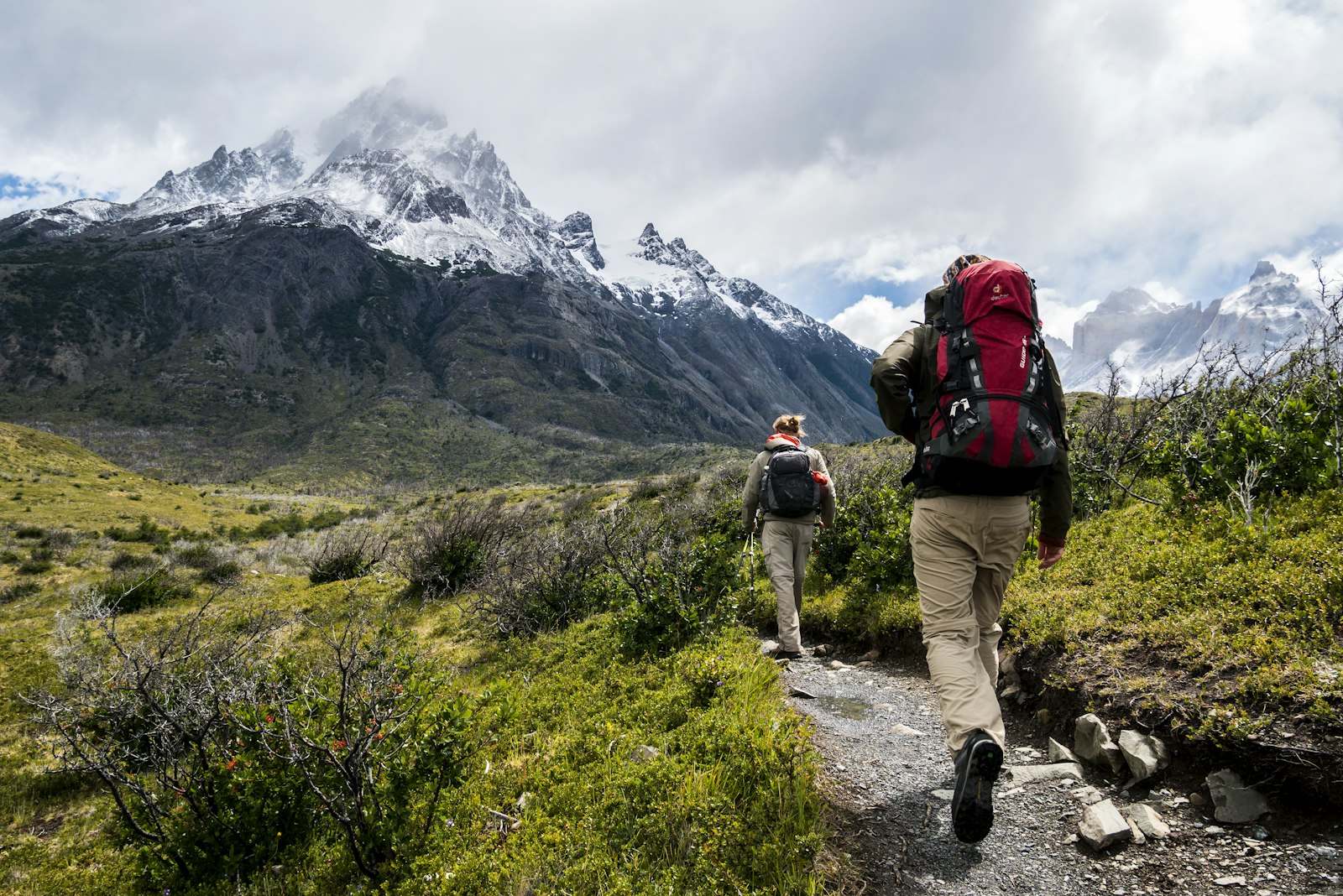
Remote mountain district ~75km north with Doi Luang Chiang Dao (Thailand's third-highest peak) and a small eco-expat community; declared wildfire disaster zone in 2026 with 2,090+ burn hotspots Jan–Mar.
Rural mountain-adjacent east — off-grid retirees, organic farms, cheaper land.