Mueang Chiang Mai
Riversideวัดเกต / ริมแม่น้ำปิง
부티크 호텔과 식민지 시대 상가주택, Warorot Market이 어우러진 Ping River 변의 정취 있는 지구 — 개성은 풍부하지만 홍수가 심한 해에는 침수에 취약합니다.
한눈에 보기
침실 1개 임대료
฿8,000 – ฿18,000/mo
침실 2개 임대료
฿15,000 – ฿35,000/mo
침실 2개 매매가
฿5M – ฿10M
보행 편의성
6/10
부티크 호텔과 식민지 시대 상가주택, Warorot Market이 어우러진 Ping River 변의 정취 있는 지구 — 개성은 풍부하지만 홍수가 심한 해에는 침수에 취약합니다.
심각 — 치앙마이 분지에 자리해 성수기에는 AQI가 200을 넘습니다. 치앙마이의 소각 시즌은 2월부터 4월까지 이어집니다. 계약을 확정하기 전에 IQAir에서 실시간 AQI를 확인하십시오.
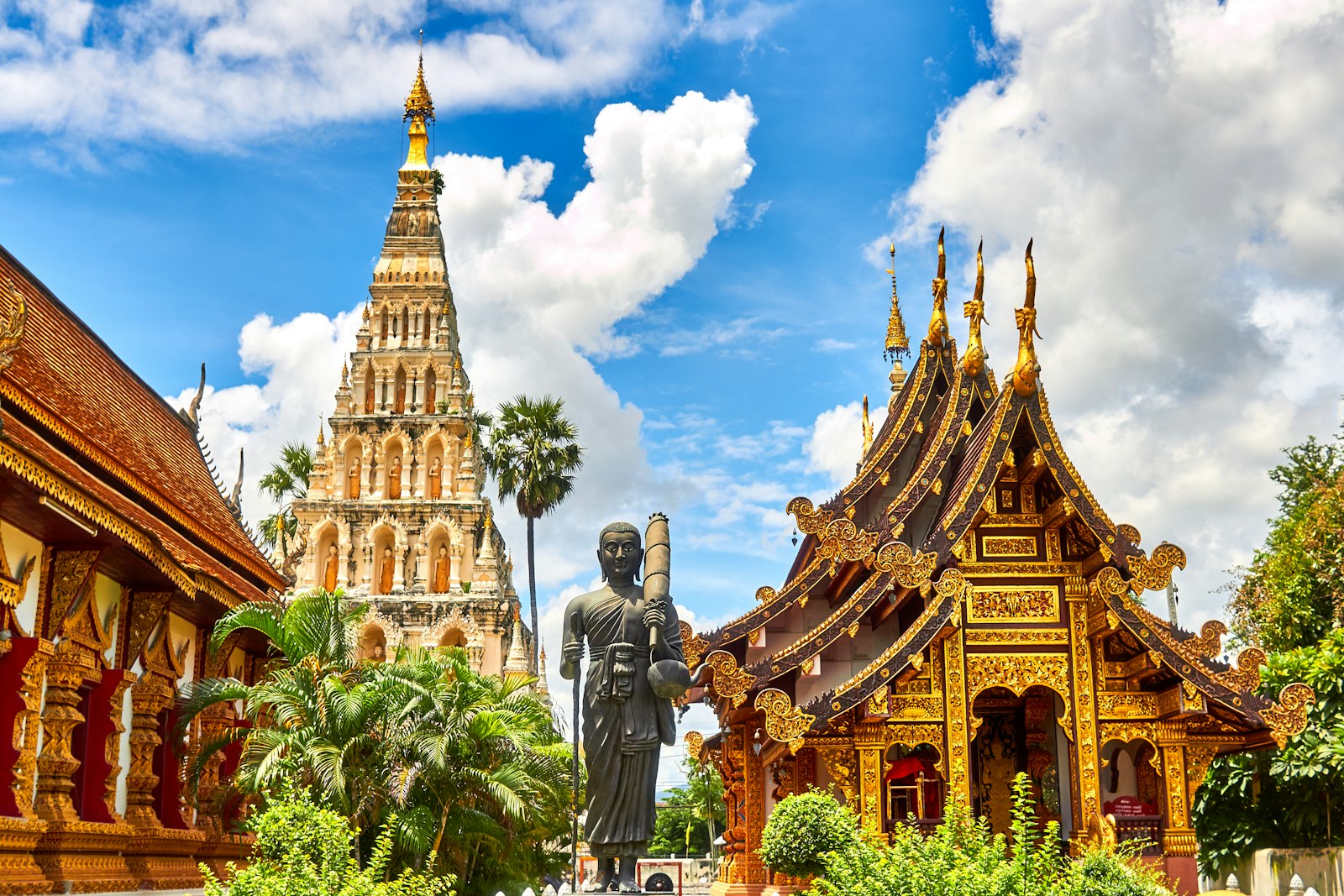
Riverside is the strip of central Chiang Mai that hugs the east bank of the Ping River between Nawarat Bridge and the Iron Bridge (Saphan Lek). Informally it spans parts of Tambon Wat Ket and Tambon Chang Moi, and it's the area most Chiang Mai residents mean when they say "by the river." The character is unmistakable: colonial-era Chinese-Thai shophouses, the Wat Ket Karam temple compound with its small museum, 19th-century teak mansions converted into boutique hotels (Rachamankha Flora, 137 Pillars House, Raya Heritage nearby), and the sprawling Warorot Market (Kad Luang), which has been the city's Chinese-commercial anchor since the 1910s.
Retirees are drawn here for reasons digital nomads typically aren't. The pace is slower than Nimman, the riverside restaurants have real evening atmosphere rather than coworking-cafe churn, and the five-minute scoot to the Old City gives cultural access without the noise of being inside the moat. Typical 1BR rent runs ฿8,000–18,000 per month; 2BR units trend ฿15,000–35,000 depending on whether they include a Ping River view, and the riverfront premium is real. Walkability scores a moderate 6/10 — the main Charoenrat Road corridor is flat and pleasant on foot, but sois branch off steeply in places and sidewalks disappear near Warorot.
The tradeoff that every prospective resident must weigh is flood risk. The October 2024 Ping River flood, which the Bangkok Post covered extensively, peaked at approximately 5.3 m at the Nawarat Bridge gauge — a level not seen since 2011 — and MaeNam Flow hydrology data confirms Wat Ket as one of the most exposed central tambons. McCormick Hospital was fully evacuated, and riverside streets saw more than a meter of standing water for several days. Burning-season air quality is also severe by regional standards: annual PM2.5 averages around 32 μg/m³ per IQAir historical data, with February–April spikes that routinely exceed 150. Neither of these is a reason to avoid Riverside outright, but they should shape unit selection (second floor or higher, never ground-floor on Charoenrat south of Nawarat) and seasonal planning.
Chiang Mai's oldest and largest traditional market, operating since the 1910s as the Chinese-Thai commercial heart of the east bank.
Nightly tourist market on Chang Klan Road, a 10-minute walk south from Riverside's Iron Bridge end.
Historic riverside temple with a small community museum documenting Wat Ket's Chinese-Thai-Western trading past.
1960s steel pedestrian-friendly bridge and the southern anchor of the Riverside strip, surrounded by expat-oriented restaurants.
Western-oriented hospital founded by Presbyterian missionaries in 1888; English-speaking staff, popular with retirees. Evacuated during the October 2024 Ping flood.
The closest full-range Rimping branch for Riverside residents — imported groceries, fresh produce, Western staples.
Riverside art-and-antique cafe in a restored teak building on Charoenrat Road — a Riverside landmark for expats and day-trippers.
Long-running riverside restaurant-bar on Charoenrat, known for live music and Ping River evening views.

Rural mountain-adjacent east — off-grid retirees, organic farms, cheaper land.

Historic silver-working district south of the Old City with traditional wooden houses, the famous Saturday Walking Street on Wualai Road, and a quiet residential feel.

Mountain foothills north of the city — retiree favorite, cleaner air, cooler weather.